Ray Tracing

Ray tracing is a key component of modern seismic survey design, allowing geophysicists to evaluate illumination, aperture, offsets, and acquisition geometry before acquisition begins. By modelling ray paths through the subsurface, designers can understand how energy interacts with geological structures and assess whether a proposed acquisition geometry will adequately image the target.

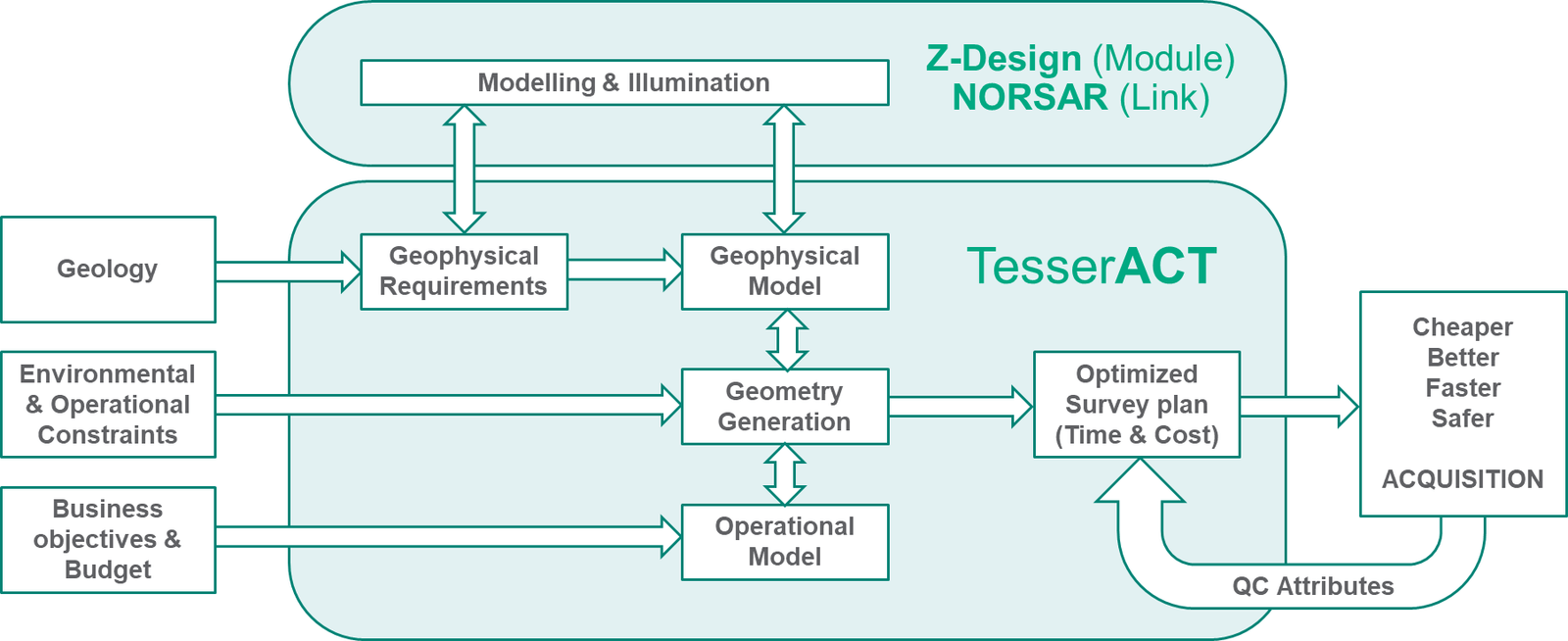
Within the TesserACT environment, ray tracing is provided through the Z-Design module, while additional workflows allow survey geometries to be transferred efficiently to external modelling environments when required.

Z-Design Ray Tracing

Z-Design is a TesserACT plug-in module that delivers a powerful 3D ray tracing tool built specifically for the survey design geophysicist.

Developed in collaboration with Houston-based Z-Terra Inc., Z-Design integrates seamlessly into the TesserACT environment to provide fast, robust, interactive 3D ray tracing and visualization directly within the survey design workflow. This integration allows designers to evaluate acquisition performance in real time while developing and modifying survey geometries.

Advanced capabilities such as automated aperture calculation help users quickly assess acquisition effectiveness and optimize survey parameters. By combining rapid modelling with intuitive visualization, Z-Design enables TesserACT users to deliver cost-effective, technically rigorous survey designs in far less time than competing systems.

See how Z-Design can be used to optimize survey aperture.

NORSAR Ray Tracing Link

TesserACT also provides a direct link for transferring complex survey designs into NORSAR 3D wavefront ray tracing workflows. Surveys created within TesserACT can be passed efficiently into NORSAR’s modelling environment without the need to export and manage relational geometry files, preserving survey complexity while streamlining the workflow.

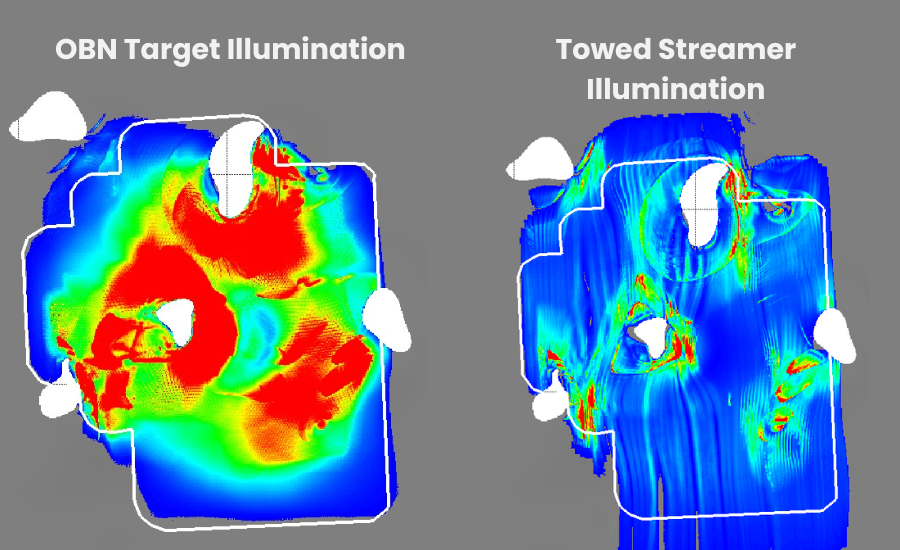
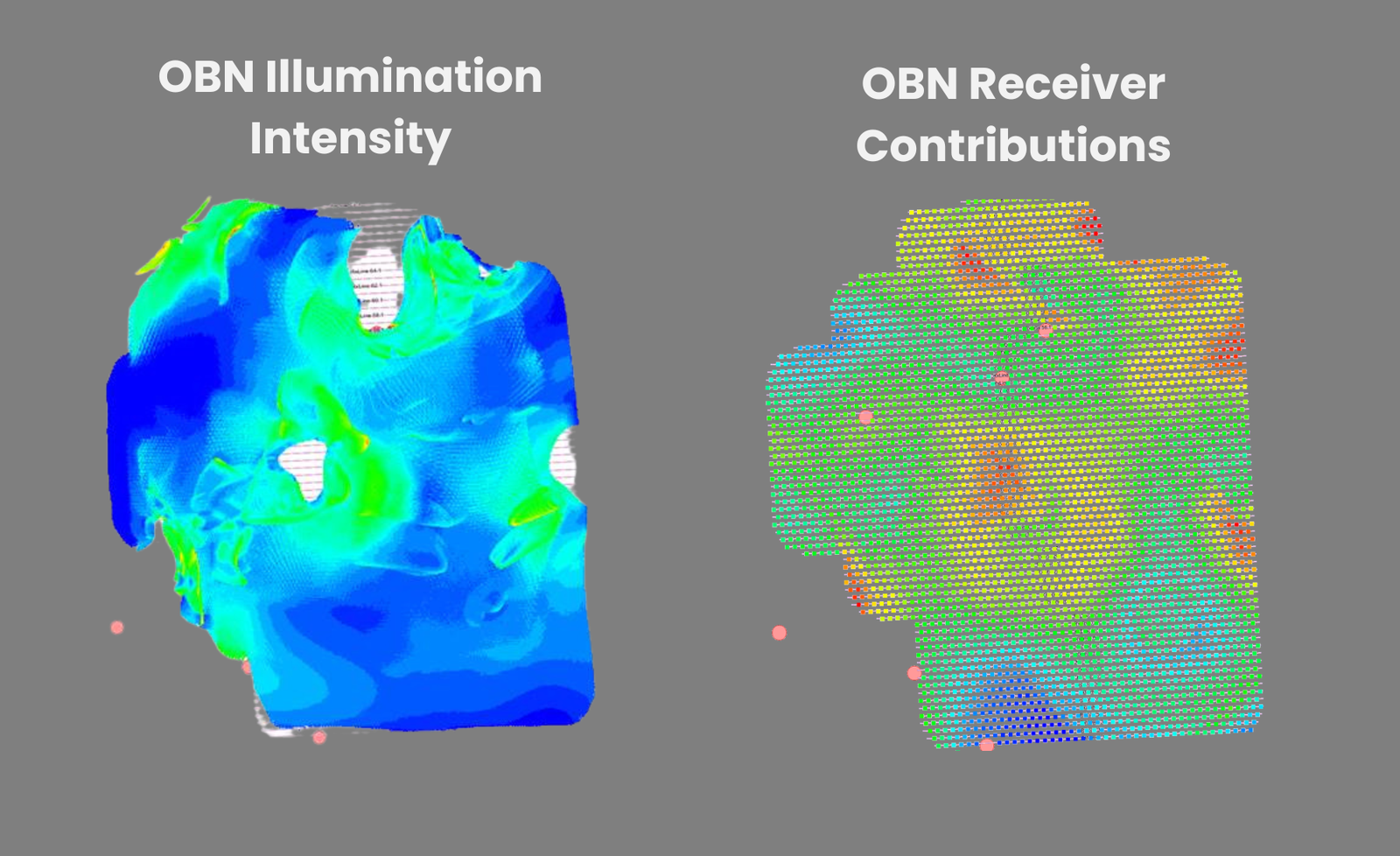
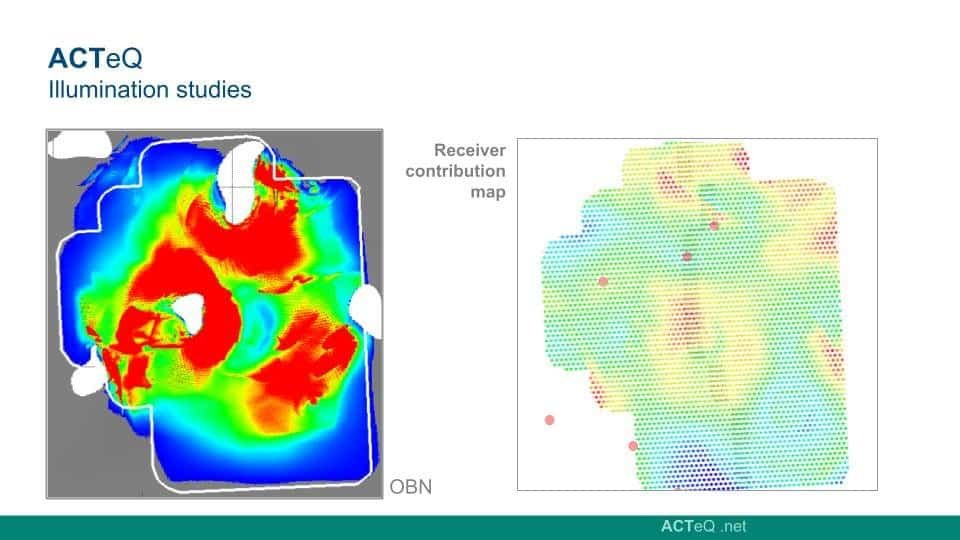
Once processed in NORSAR, modelling results can be returned to TesserACT as spatial mapping attributes describing illumination, ray coverage, and acquisition effectiveness across the survey area. These attributes can be loaded directly into the TesserACT environment, allowing geophysicists to visualize modelling results alongside their survey design and quickly identify areas of poor illumination, limited coverage, or complex subsurface interaction.

By incorporating these returned attributes into the design environment, TesserACT enables an iterative workflow where modelling insights can be used to efficiently update survey geometry, adjust acquisition parameters, and refine survey layouts. This tight integration helps ensure that acquisition plans are both technically robust and optimized for imaging the subsurface targets of interest.
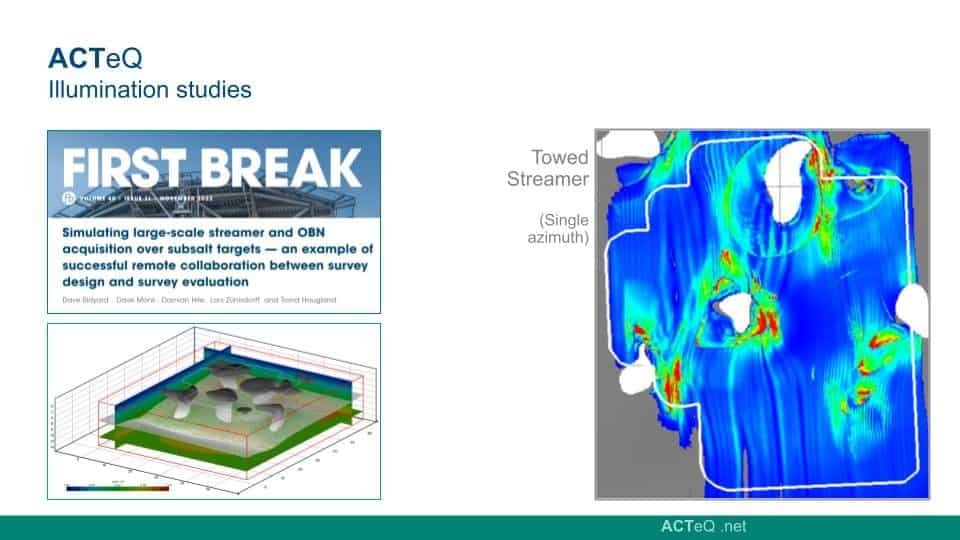
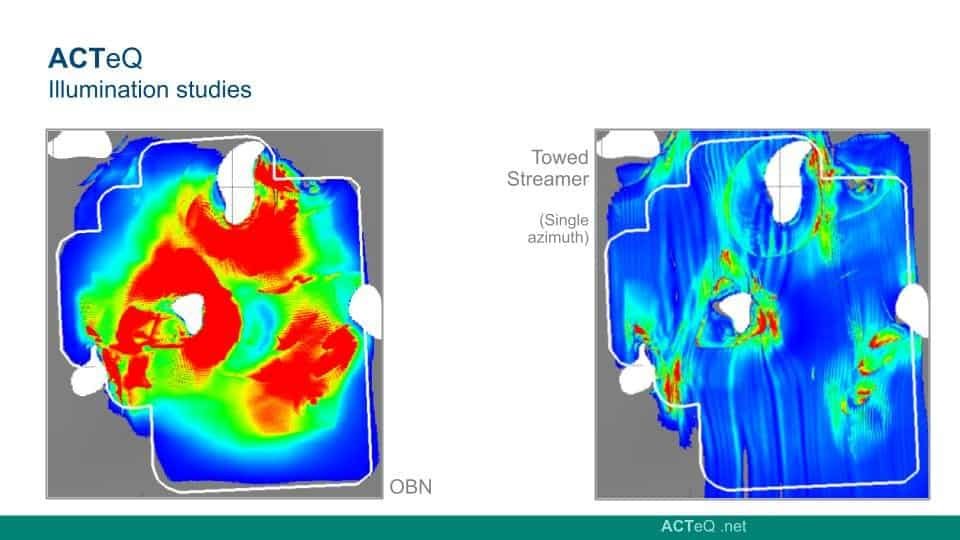
Illumination Studies & Results

CLIENTELE

ACTeQ Partners & Clients